

*Platinum shown in Wind Chill Pearl with Midnight Black Metallic roof.
Take charge of your future and choose from Toyota's diverse range of powertrains.
Hybrid Electric Vehicles start, refuel and handle like the gas-only Toyotas you already know and love-just with better mpg ratings. Even though they run on a combination of gas and battery-powered electric motor(s), they do not use a plug to charge their battery. Instead, they recycle the kinetic energy captured from the vehicle's braking motion to recharge on their own.
Plug-in Hybrid Electric Vehicles run just like hybrids, using a combination of fuel and battery-powered electric motor(s), but thanks to their larger battery pack, they can run farther on electric power alone. When your Plug-in Hybrid EV's battery uses up its charge, it carries on like a regular Hybrid EV, using a combination of gas and energy stored from the vehicle's battery system to power it. When you're ready, plug it in to recharge it and return to the efficiency of operating on all-electric power.
These all-electric vehicles replace conventional gas engines with battery-powered electric motors that provide smooth and almost instantaneous torque. Their source of power is obtained when you plug them in and charge them up. The 2026 bZ is equipped with a North American Charging System (NACS) charging port, and includes separate CCS1 and J1772 adapters, enabling compatibility to most chargers, including the Tesla Supercharger network. [*] For Toyota battery electric vehicles only. Access only available for V3 and V4 chargers. 2025 and earlier BEV models require adapter for use. bZ continues to expand your charging options.
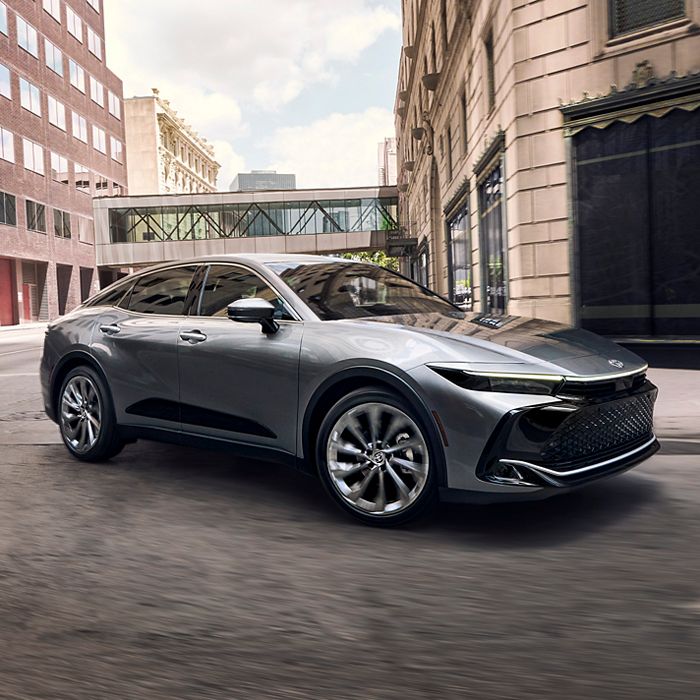
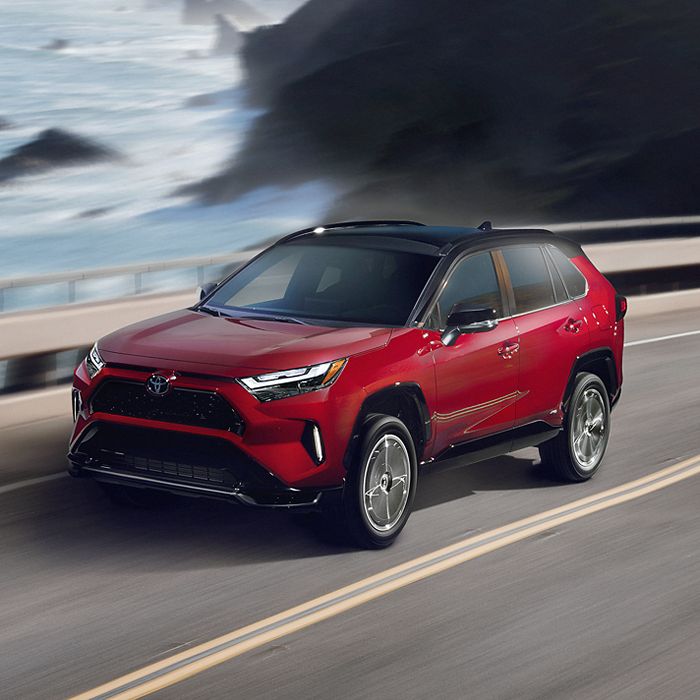
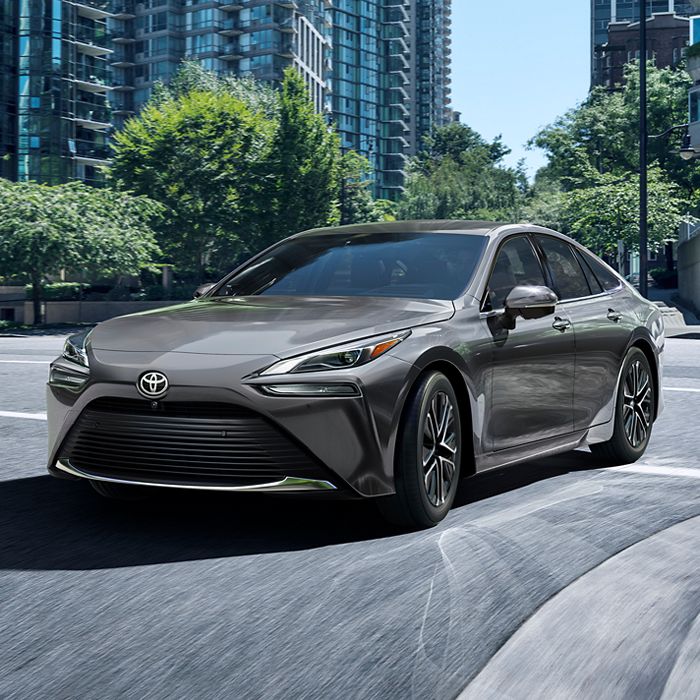
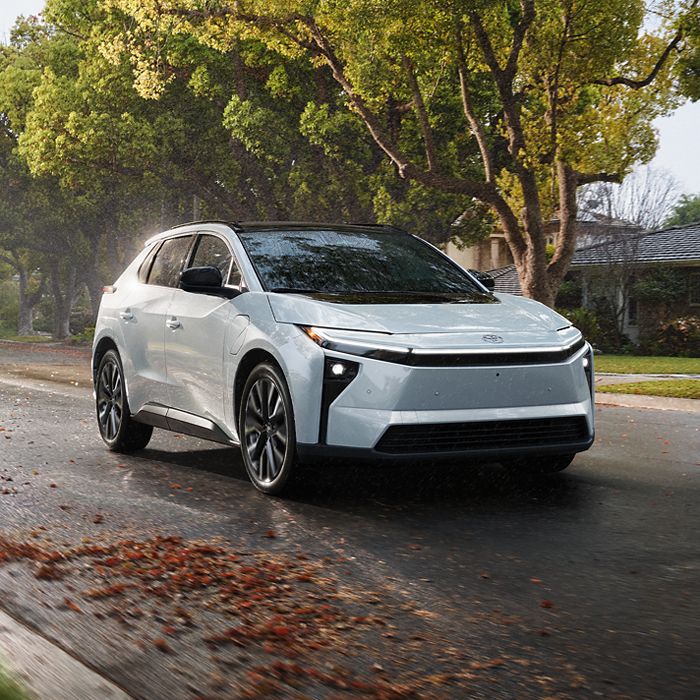
Electrified
*XSE Premium shown in Guardian Gray. Vehicle shown with options using visual effects. Limited availability.
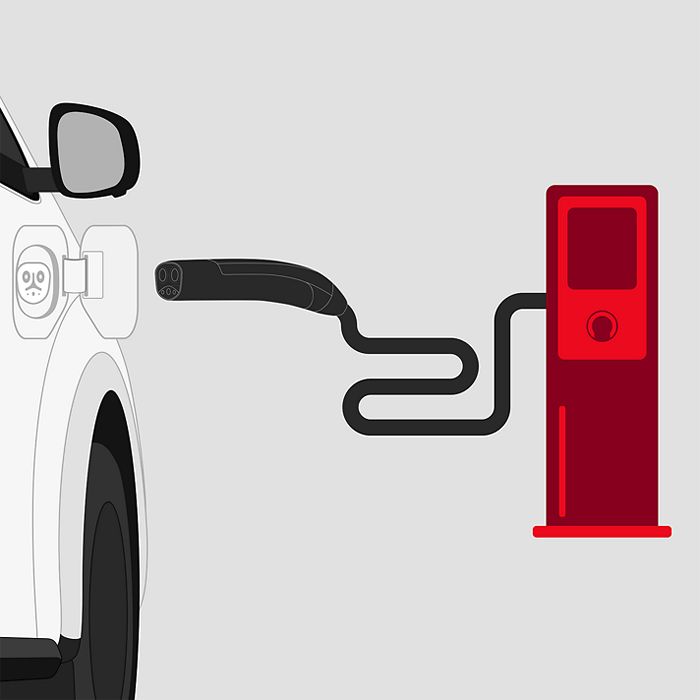
Under ideal conditions, plug in to charge from 10% to 80% in around 30 minutes at a compatible public charging station. Applicable to 2026 bZ. [*] DC charging time will vary based on weather and other factors. DC charging times will increase as temperatures decrease, with significant increases possible at temperatures below freezing. Accessory use, battery level and condition, and charger specifications may negatively affect charging times. Use for comparison purposes only. Actual range will vary significantly depending on charging and driving conditions, including outside temperature, speed, accessory use, how/where you drive, battery condition and other factors. See www.fueleconomy.gov and Owner's Manual for details. [*] Public charging experience will vary based on charger type (Level 2 or DC Fast Charger) and other factors including vehicle and environmental conditions. 2026 bZ AC Level 2 charging time estimates can be improved when using an input power source rated to the onboard charger's max capacity. 2026 bZ DC fast charging time estimates can be improved in freezing temperatures when activating the battery preconditioning function. See toyota.com/electrified/charging for more information.
The 11-kW onboard AC charger allows you to take advantage of its Level 2 charging capability to charge your vehicle from 10% to 100% in around seven hours. [*] Actual range attainable per minute/hour of charging will vary significantly depending on speed, outside temperature, accessory use, how/where you drive, battery condition, vehicle model and other factors.
So plug in at home or at a public station, optimizing your downtime by charging throughout your day or by easily getting a full charge overnight. [*] Public charging experience will vary based on charger type (Level 2 or DC Fast Charger) and other factors including vehicle and environmental conditions. 2026 bZ AC Level 2 charging time estimates can be improved when using an input power source rated to the onboard charger's max capacity. 2026 bZ DC fast charging time estimates can be improved in freezing temperatures when activating the battery preconditioning function. See toyota.com/electrified/charging for more information.
Applicable to 2026 bZ.
A great pick for drivers with short commutes. Simply use a common household 3-prong outlet and the included dual-voltage charging cable to top off your charge when you're not on the go. [*] Electrical outlets for use with the dual-voltage charging cable must be installed by a licensed, qualified electrician. A 240V NEMA 14-50 outlet is required for Level 2 charging.
Applicable to 2026 bZ.
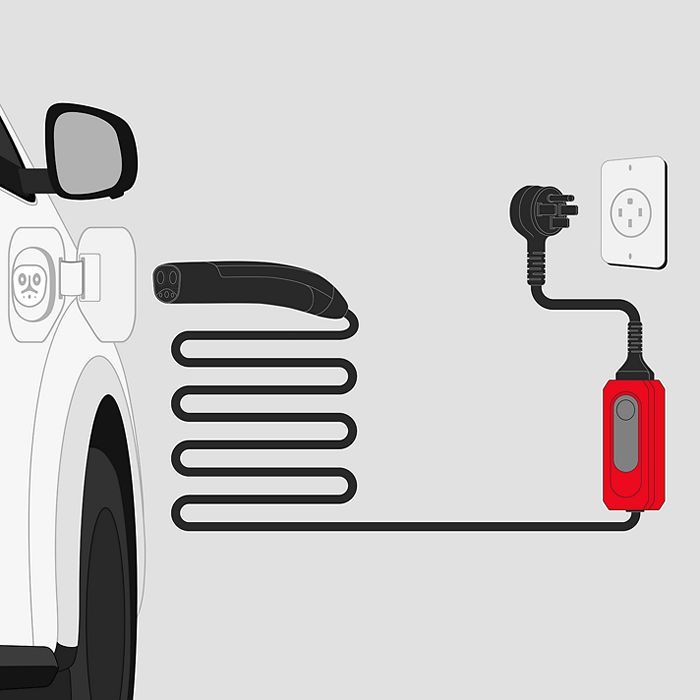
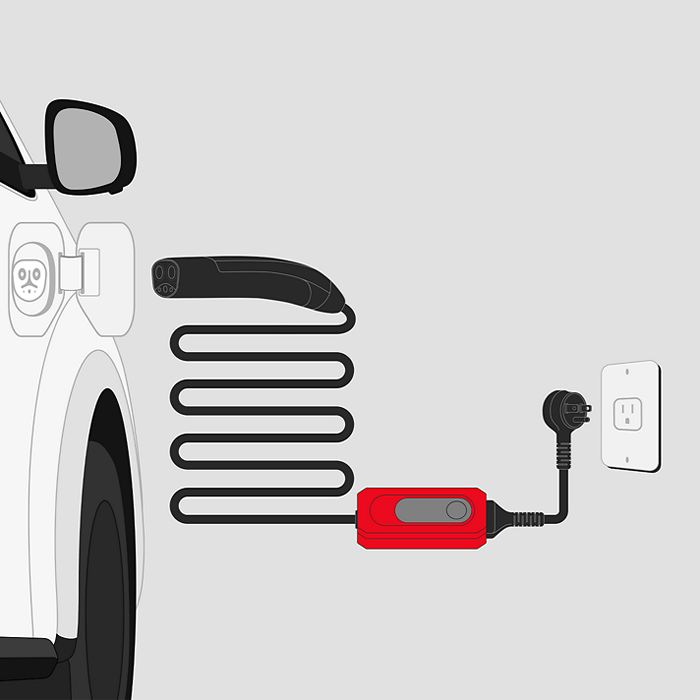
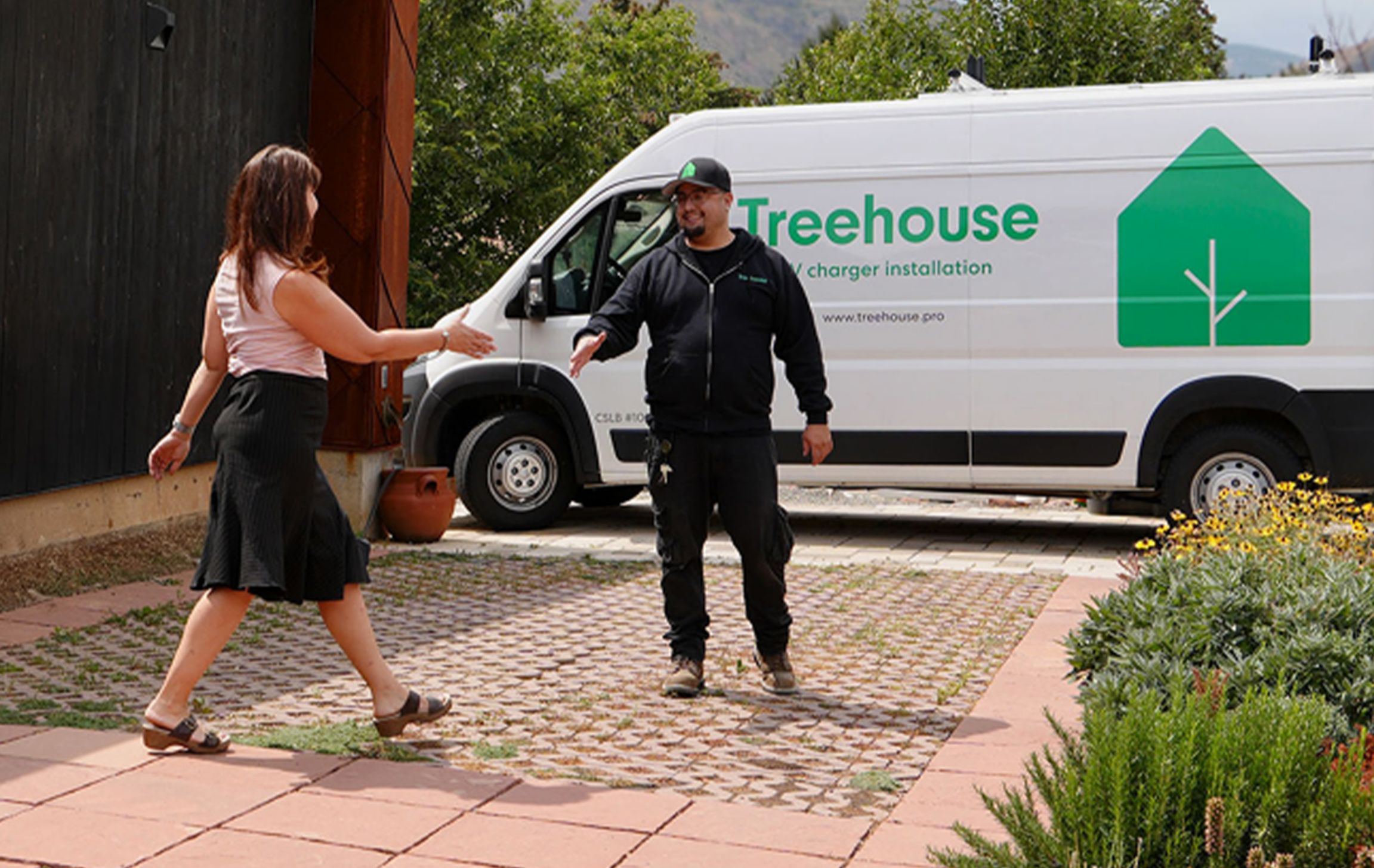
With the dual-voltage charging cable that’s included with all Toyota BEVs and PHEVs, you can take advantage of both Level 1 and Level 2 home-charging capabilities. Treehouse can make the Level 2 charging process simple from start to finish for your home set-up.
Toyota is not involved in, nor is it responsible, for the installation of the charger. Toyota cannot guarantee the 48-hour turnaround and one-visit representations from Treehouse. Please visit Treehouse’s website for more information.


 Call Us
 Directions